Barrow Offshore Wind Farm Celebrates Two Decades of UK Renewable Energy Production
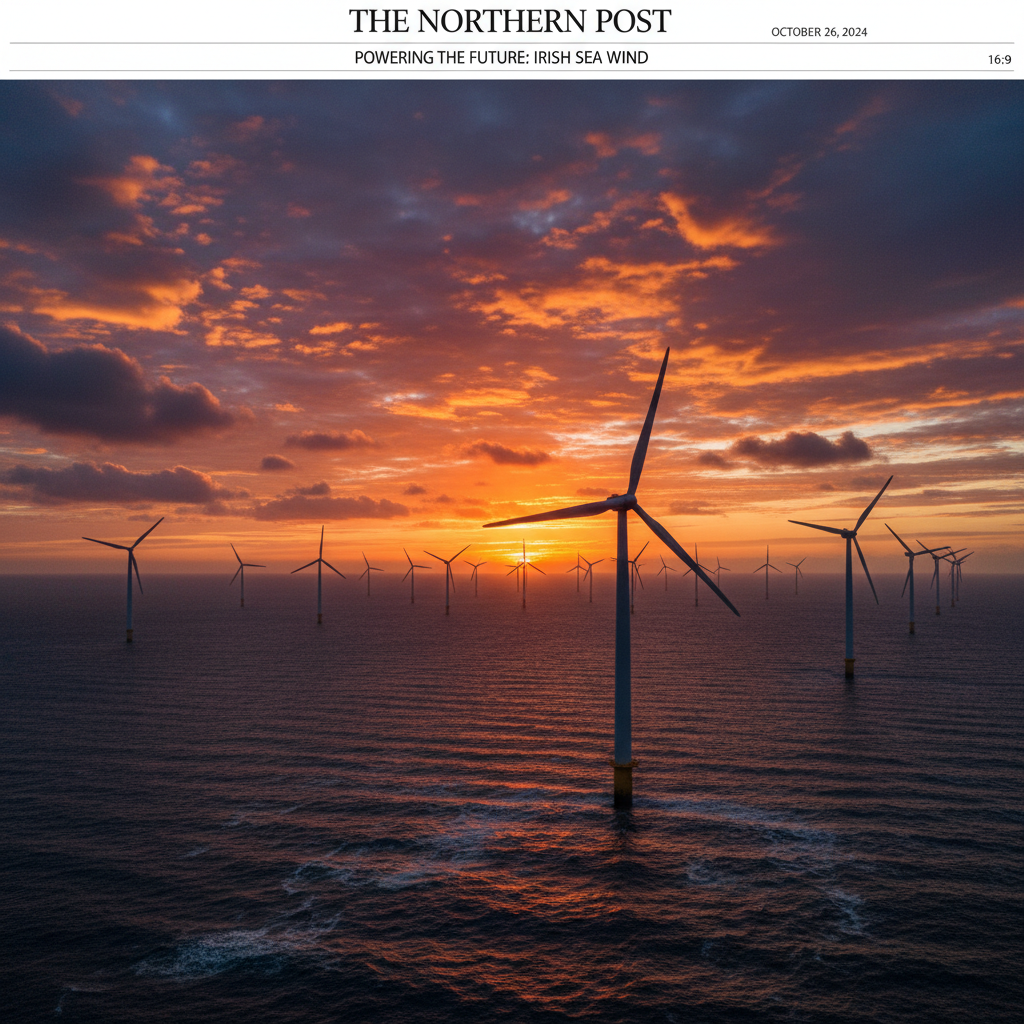

Ørsted's Barrow Offshore Wind Farm, a pioneering UK project, marks 20 years of operations, highlighting the sector's growth and its foundational role for the company and the region.
The Barrow Offshore Wind Farm, operated by Ørsted, is celebrating its 20th anniversary, marking two decades of consistent renewable electricity generation for the UK. Located 7 km south-west of Walney Island in the East Irish Sea, the wind farm's milestone underscores the significant growth and establishment of offshore wind as a crucial component of the nation's energy infrastructure.
Commissioned in 2006, Barrow Offshore Wind Farm was among the UK's earliest commercial offshore wind projects. Its 30 turbines possess a combined generating capacity of 90 MW. Over the past 20 years, the facility has contributed to Ørsted's cumulative production of over 180 TWh of affordable, renewable electricity in the UK, a volume estimated to be sufficient to power the entire London Underground network for nearly 150 years. The anniversary also coincides with Ørsted's own 20-year presence in the UK energy market.
A Foundation for UK Offshore Wind
The Barrow project holds particular significance as it was the first UK offshore wind development for what was then DONG Energy, now Ørsted. It played a pivotal role in establishing the company's commitment to the UK's offshore wind sector. The industry itself has undergone a dramatic transformation since Barrow's inception, evolving from an emerging technology into a major power source, with offshore wind accounting for 18% of the UK's electricity generation in 2025.
Beyond its direct energy contribution, Barrow has fostered the development of regional expertise. Ørsted's West Coast hub in Barrow-in-Furness has become a centre of excellence for offshore wind operations. This hub has cultivated a local workforce and serves as a knowledge-sharing point for colleagues across Ørsted's global portfolio, highlighting the long-term impact on skills and employment in the area.
Innovation, Skills, and Future Impact
Godson Njoku, Chief Generation Officer at Ørsted, emphasised the pioneering nature of Barrow, noting it demonstrated the potential of harnessing the UK's abundant wind resources offshore. He stated, "Today, offshore wind is a fundamental part of the UK's energy system, but Barrow remains special to us. It was Ørsted's first UK project and has been the foundation for two decades of learning, innovation, and operational excellence." Njoku further highlighted that the anniversary is also a tribute to the skilled teams, safety focus, and dedication required to operate offshore wind assets for such an extended period, with expertise developed at Barrow supporting projects globally.
Richard Bodal Hanson, UK Country Manager at Ørsted, echoed this sentiment, remarking on Barrow's history of innovation, engineering, and the skilled people who drive progress. He noted that the wind farm has helped position Barrow as a centre for offshore wind, creating career opportunities locally within an industry that now has global reach. Barrow Offshore Wind Farm is considered a foundational project for an industry that now employs over 40,000 people in the UK and has attracted tens of billions of pounds in investment. For Ørsted, it marked the beginning of a UK offshore wind journey that now includes 12 operational wind farms with a combined capacity of 5.7 GW, including the world's largest, Hornsea 2.
As the wind farm enters its third decade of operation, it continues to provide renewable energy, while the expertise cultivated around it remains vital for supporting the next generation of offshore wind projects in the UK.
What this means for asset owners and insurers
- Longevity and Operational Risk: Twenty years of continuous operation demonstrates the long-term viability and operational resilience of offshore wind assets, providing valuable data for insurers assessing extended operational lifespan risks and maintenance strategies.
- Underwriting Maturity: The sustained performance of early projects like Barrow offers historical performance data that can inform more refined underwriting models for operational offshore wind farms, including potential business interruption (BI) and machinery breakdown coverage.
- Skills and Supply Chain Impact: The development of a local centre of excellence and skilled workforce in Cumbria highlights the importance of human capital and robust supply chains in maintaining asset integrity, a key factor for insurers evaluating maintenance-related claims and operational continuity.
- Evolving Risk Landscape: While early projects showcase resilience, the vastly increased scale and complexity of modern offshore wind farms introduce new risks, requiring insurers to continuously adapt their assessment of construction all-risks, operational perils, and emerging liabilities alongside established assets.
Source: renewableenergymagazine.com