Battery Storage Critical for Grid Infrastructure Cost Reduction, Developers Say
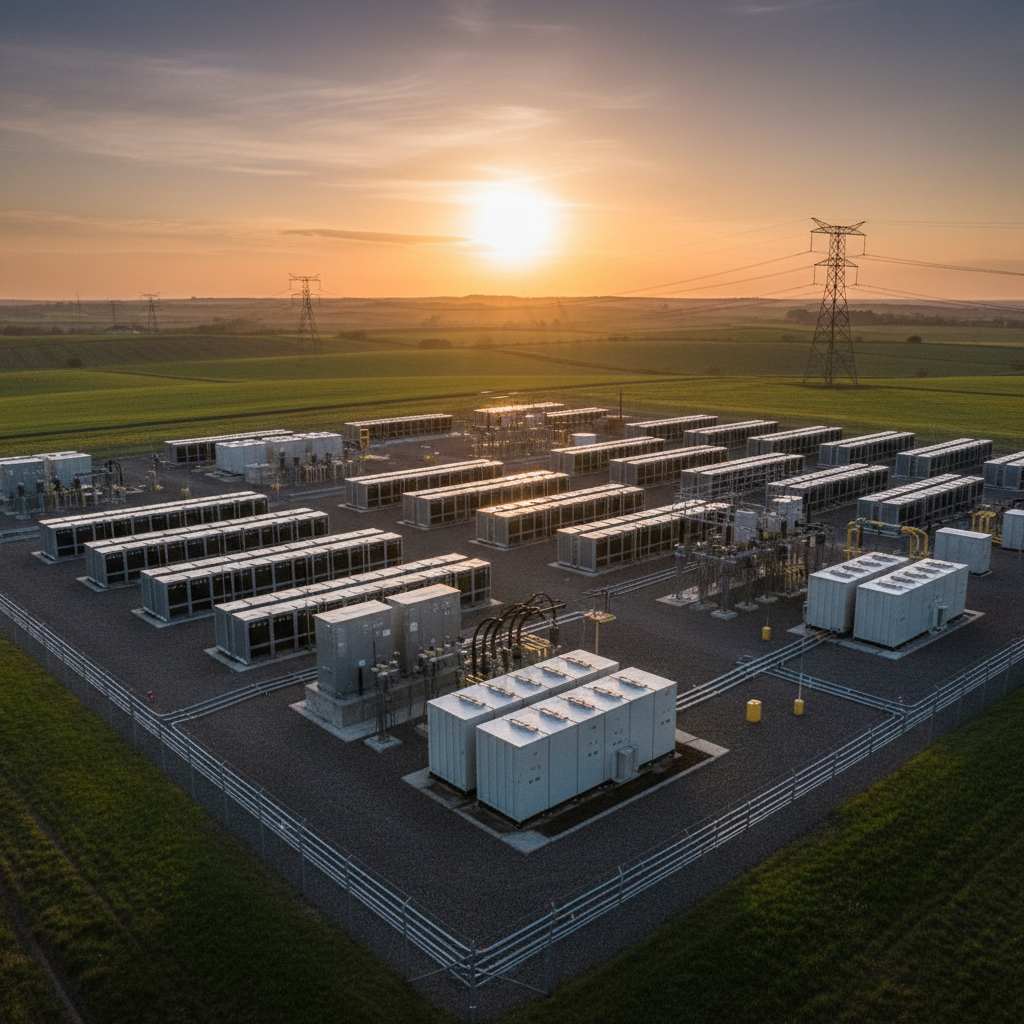
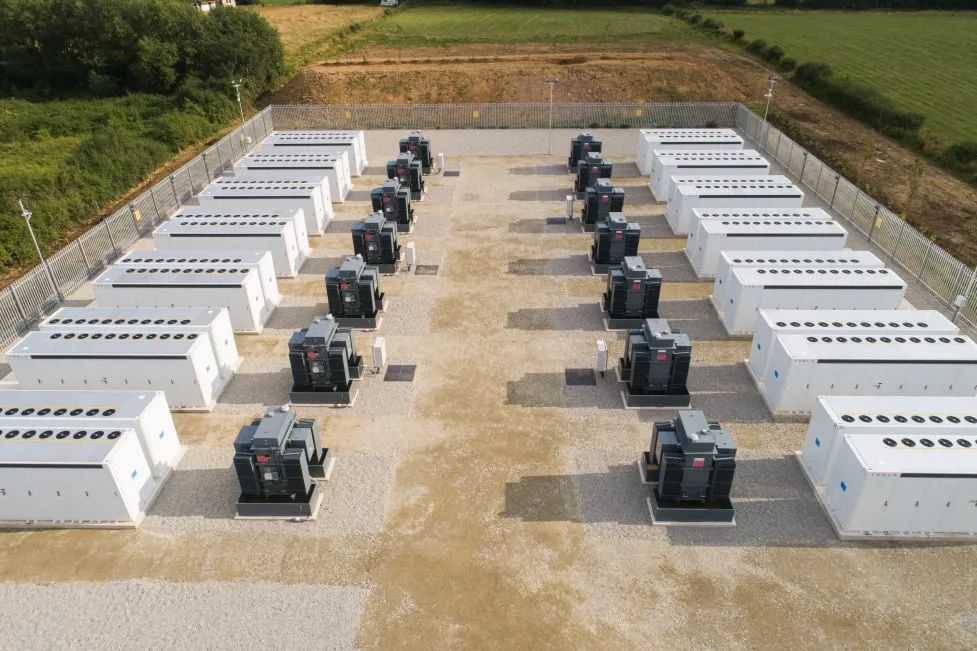
Developers highlight battery energy storage as a crucial, yet overlooked, element in UK grid infrastructure planning, capable of mitigating costs and accelerating net-zero goals.
A recent discussion has brought to light the potential for battery energy storage systems (BESS) to significantly reduce the cost of grid infrastructure development in the UK, a critical aspect for achieving net-zero targets. This comes as developers point out a notable omission of energy storage in a landmark report by the UK electricity networks commissioner, Nick Winser.
The discussion, highlighted by Solar Power Portal's sister publication Current±, suggests that while Winser's report introduced positive legislative and operational changes, it lacked specific parameters concerning the role of energy storage in delivering essential grid infrastructure. Industry experts argue that BESS is fundamental to the energy transition, enabling the capture of intermittent renewable generation from sources like wind and solar for distribution during peak demand or low generation periods.
Overcoming Grid Inefficiencies with Storage
Damian Jackman, technical commercial lead at Field, and Phil Thompson, CEO of Balance Power, were among those consulted on the matter. Jackman underscored the current inefficiency within the UK national grid, which he stated leads to the waste of valuable renewable energy, imposing significant costs on consumers and businesses. He attributed this to underinvestment in grid infrastructure.
While acknowledging the positive remedies proposed by Winser, such as ensuring communities benefiting from new infrastructure also receive some advantages, Jackman emphasised the need for substantial investment. He also pointed to Winser's Single Spatial Energy Plan (SSEP) as a potential catalyst for better siting of new renewable energy sources, which could, in turn, reduce the need for extensive new network construction. Thompson echoed these sentiments, attributing current issues in the GB energy sector to a "historic lack of investment and planning for a net zero energy system."
The Indispensable Role of Battery Storage
Despite the positive reception of Winser's recommendations for accelerating progress towards net zero, the absence of energy storage from the report is seen as a missed opportunity by some. Developers argue that for the UK to connect the vast quantities of renewable energy needed to decarbonise its electricity system and other energy uses like heating and transport, robust infrastructure, including BESS, is paramount. The UK's reliance on wind power, often located offshore or in Scotland, necessitates substantial transmission capabilities.
Integrating battery storage more prominently into infrastructure planning could offer a more flexible and cost-effective approach to grid modernisation. By optimising existing grid assets and deferring the need for costly conventional upgrades, BESS can enhance grid stability, manage fluctuations from renewables, and ultimately lower overall system costs. The sector hopes that future policy and investment strategies will fully recognise and integrate the transformative potential of battery energy storage.
What this means for asset owners and insurers
- Enhanced Grid Stability and Revenue Streams: Asset owners of battery energy storage systems (BESS) contribute to grid stability by balancing supply and demand, potentially unlocking diverse revenue streams from grid services, capacity markets, and energy arbitrage.
- Risk Mitigation from Grid Constraint: Insurers may see reduced claims related to curtailment losses or grid instability as BESS helps manage intermittent renewable generation, but could face increased demand for coverage related to BESS operation.
- Thermal Runaway & Fire Safety Focus: As BESS becomes more integral, the risk of thermal runaway and associated fire hazards remains a key consideration for both asset owners and insurers, requiring robust fire suppression systems and strict operational protocols.
- Business Interruption (BI) and Delayed Start-Up (DSU) Cover: The critical role of BESS in grid support means any operational disruption can have significant financial implications, increasing the importance of comprehensive BI and DSU cover for BESS projects during construction and operation.
Source: solarpowerportal.co.uk