Contracts for Difference Allocation Round 8 Underway with Policy Adjustments
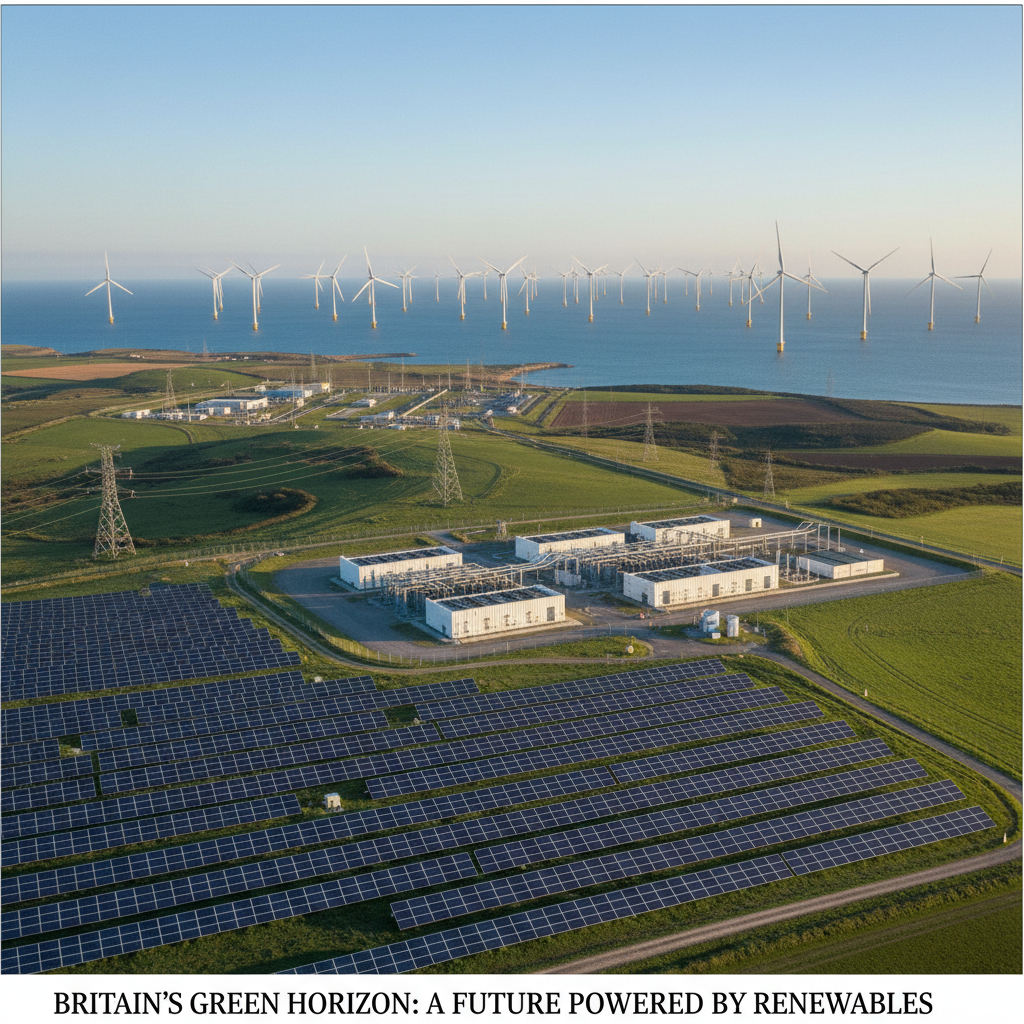
The UK's Contracts for Difference scheme is progressing with Allocation Round 8, seeing policy changes and the opening of its application window.
The UK's Contracts for Difference (CfD) scheme continues to be a central mechanism for supporting renewable energy development, with Allocation Round 8 (AR8) now officially open for applications. The portal for applicants to prepare was made available earlier, leading up to the application window opening on 20 July 2026, according to the official CfD Allocation Round website.
AR8 Policy and Procedural Updates
Notably, the government has confirmed that the Pending Applications process will not be applied for AR8. This decision implies that AR8 will not operate on an expedited timeline, allowing a more standard progression for applications. This procedural clarity follows earlier announcements, including the publication of statutory notices for AR8 and a government response to consultations on policy and contract amendments. These amendments were confirmed ahead of the eighth allocation round, indicating a refined framework for participants.
The Low Carbon Contracts Company (LCCC) has also provided clarification on how the NESO Grid Connection Reform program will be treated under CfD contracts, addressing potential concerns for project developers regarding grid access and contractual obligations. Furthermore, the government has published Supply Chain Plan Guidance and a Questionnaire linked to AR8, emphasising the importance of local content and supply chain engagement in renewable energy projects.
Previous Rounds and Future Outlook
The CfD scheme has seen significant activity in prior rounds. Allocation Round 7 (AR7) also garnered considerable attention, with its registration window opening on 09 July 2025 and applications in August 2025. AR7 results were anticipated in late 2025 to early 2026. The government published core parameters for AR7, alongside various related documents, and sought views on potential drafting changes to the CfD Standard Terms and Conditions. A budget notice for AR7's Clean Industry Bonus was also published, amounting to over £544 million with £20.1 million per GW of capacity applying for the bonus.
Previous rounds have celebrated record achievements, including securing 8.4GW of offshore wind in Europe’s largest ever offshore wind auction, enough to power over 12 million homes. Such outcomes highlight the CfD scheme's critical role in delivering substantial increases in the UK's clean energy capacity. The ongoing adjustments and consultations underscore the government's commitment to adapting the scheme to market dynamics and policy objectives, ensuring its continued effectiveness in decarbonising the electricity supply.
What this means for asset owners and insurers
- Policy Stability and Project Planning: Asset owners can anticipate a more predictable timeline for AR8 without expedited processes, allowing for more thorough project planning and risk assessment. Insurers can factor this into their underwriting models for development-phase coverage.
- Grid Connection Risk Clarity: LCCC's clarification on NESO Grid Connection Reform provides crucial information for developers, potentially reducing uncertainty related to project delays or non-delivery due to grid issues, which impacts DSU/BI insurance considerations.
- Supply Chain Resilience: The emphasis on Supply Chain Plans in AR8 highlights the importance of robust supply chain management. This is a key area for insurers assessing risks related to project completion, equipment delivery, and potential business interruption from supply chain disruptions.
- Contractual Amendments: Ongoing policy and contract amendments necessitate continuous review by asset owners and their legal/insurance advisors to understand their implications for project finance, operational risk, and insurance policy coverage terms.
Source: cfdallocationround.uk