UK Grid Struggles to Keep Pace with Renewable Energy Boom, NAO Warns
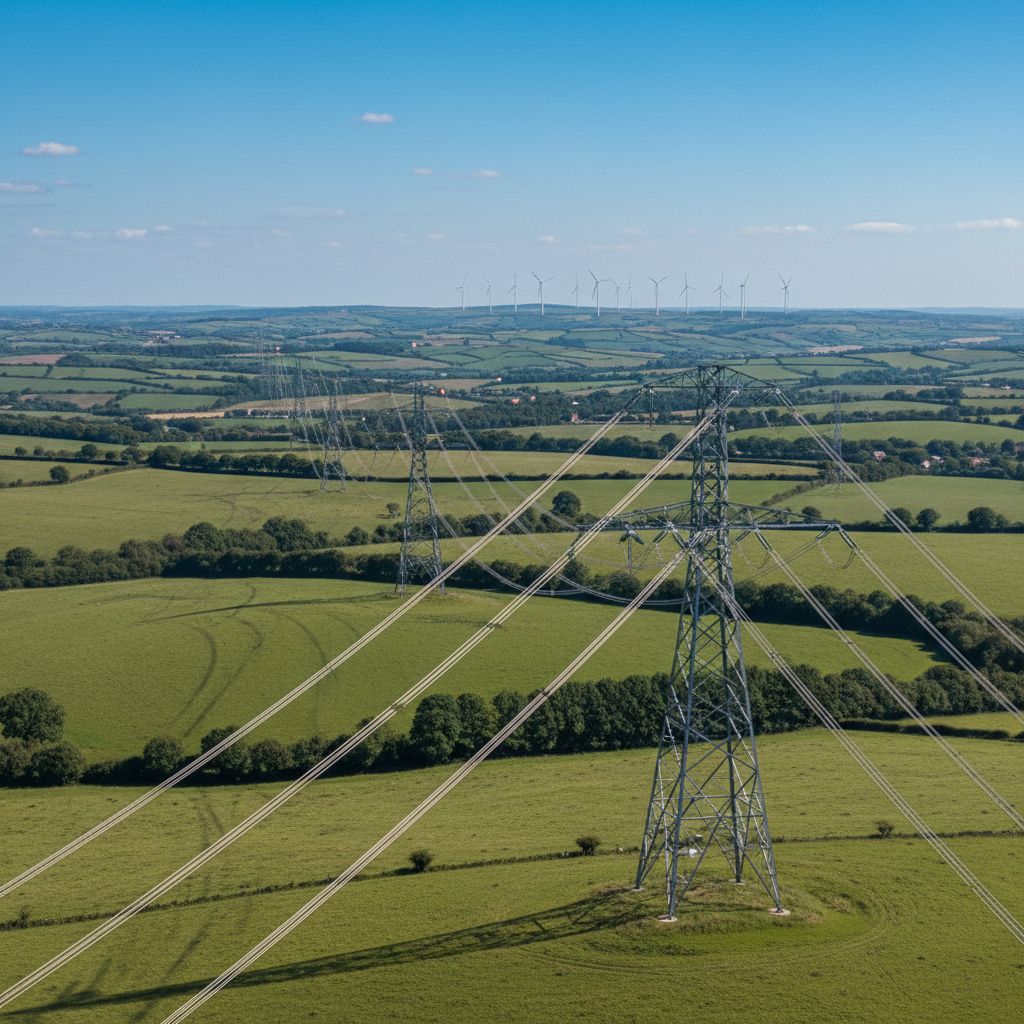

A National Audit Office report highlights that the UK's electricity transmission network is failing to match the rapid growth of renewable energy, leading to significant constraint costs.
A recent report by the National Audit Office (NAO) has revealed a critical mismatch between the rapid expansion of the UK's renewable energy sector and the capacity of its electricity transmission network. The report, highlighted by tgs4c.com, indicates that the grid's inability to keep pace with renewable generation is leading to substantial financial penalties and hindering the nation's clean energy ambitions.
According to the NAO, the costs associated with 'thermal constraint' have surged dramatically, rising from £0.6 billion in 2018-19 to an estimated £1.9 billion in 2025-26. These costs arise when the National Energy System Operator (NESO) is forced to pay renewable generators, such as Scottish offshore wind farms, to reduce their output due to grid limitations, while simultaneously compensating gas-fired power stations in England and Wales to increase generation to maintain system balance.
Escalating Costs Threaten Clean Energy Goals
The report projects that these constraint costs could escalate further, potentially reaching between £6.6 billion and £7.8 billion by 2030, unless significant upgrades to the transmission infrastructure are accelerated as part of the Clean Power 2030 plan. The UK aims to generate 95% of its electricity from clean sources by 2030, a substantial increase from 73% in 2025, underscoring the urgent need for grid modernisation.
Ofgem, the energy regulator, estimates that up to £70 billion could be invested in the transmission network between 2025 and 2031 to facilitate this transition. However, the NAO has cautioned that critical challenges in planning, supply chain logistics, and workforce availability continue to pose a threat to the timely delivery of these essential grid projects, which are crucial for supporting the country's clean energy objectives.
The Imperative for Grid Modernisation
The findings from the NAO report underline the pressing need for strategic investment and streamlined execution in grid infrastructure. Without a robust and flexible transmission network, the UK's impressive strides in renewable energy deployment risk being undermined by inefficiencies and escalating costs. The report serves as a stark reminder that while renewable generation capacity grows, the accompanying infrastructure must evolve in tandem to ensure energy security, cost efficiency, and the successful attainment of national decarbonisation targets.
What this means for asset owners and insurers
- Business Interruption (BI) Risk: Asset owners of renewable energy projects face increased BI risk due to curtailment, where generation is reduced or halted, directly impacting revenue and potentially triggering BI claims related to grid constraints.
- Project Delay and Cost Overruns: Delays in grid connection or upgrade projects can lead to significant cost overruns for new renewable energy developments, affecting project finance and requiring potential adjustments to Delay in Start-Up (DSU) or Advance Loss of Profits (ALOP) policies.
- Supply Chain and Workforce Challenges: Insurers assessing construction all-risks for grid projects will need to factor in the identified supply chain and workforce challenges, which could increase project timelines and risk of defects.
- Risk Management for Grid Stability: Asset owners may need to consider advanced grid-balancing solutions, such as co-located battery energy storage systems, to mitigate curtailment risks and enhance the overall insurability and operational resilience of their projects.
Source: tgs4c.com