UK Offshore Wind Balancing Climate Goals with Marine Ecosystem Protection
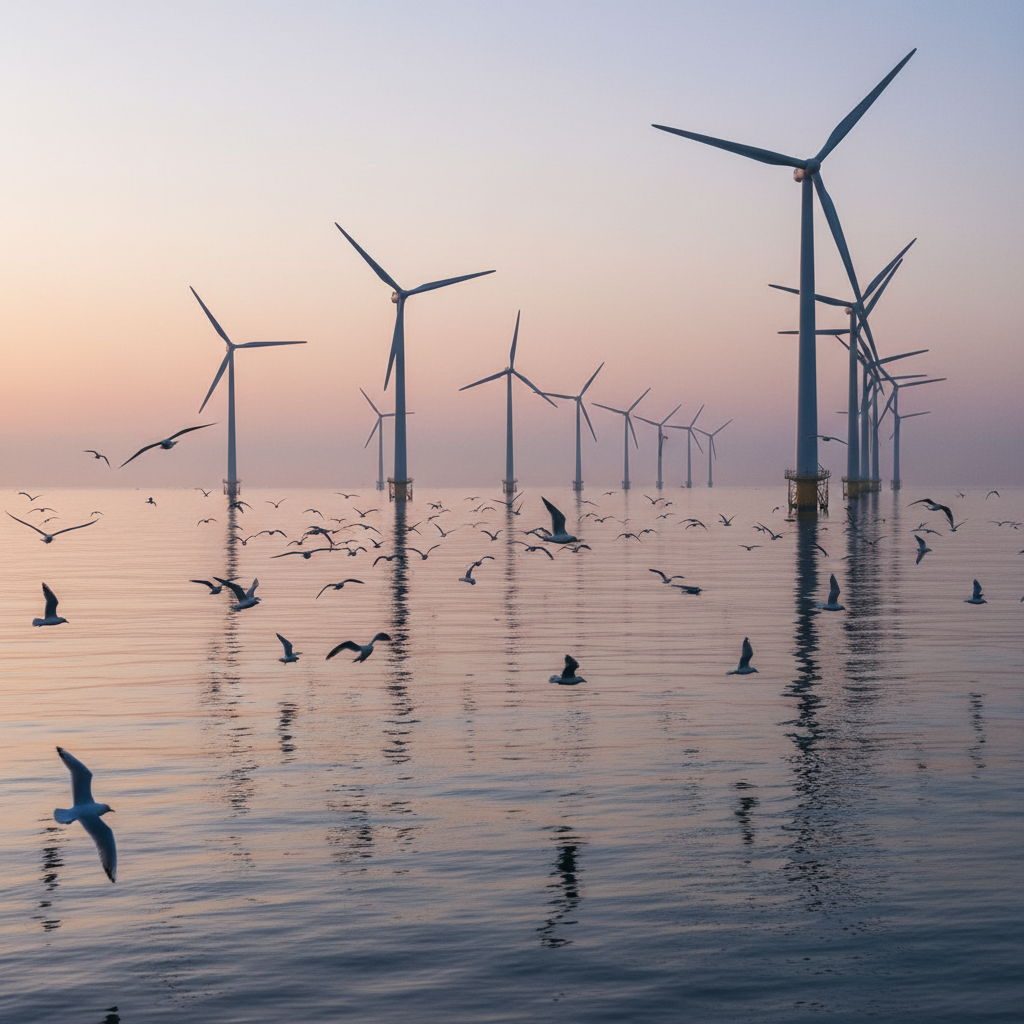

As offshore wind power expands rapidly to meet climate targets, experts highlight the critical need for responsible development to mitigate potential marine environmental impacts while harnessing ecological benefits.
The rapid expansion of offshore wind farms, particularly across Europe and the UK, is central to achieving global climate objectives. However, this growth necessitates a careful balance with the protection of marine ecosystems, according to a recent report by Mongabay.
While offshore wind is widely recognised as a cornerstone of renewable energy grids, experts caution that its development must be managed responsibly to minimise adverse effects on marine life. At the same time, these installations can offer ecological advantages, potentially creating de facto marine protected areas by restricting harmful practices like bottom trawling. They can also serve as artificial reefs, providing refugia for various marine species including fish, crustaceans, sharks, and rays, and potentially aiding in the restoration of depleted habitats.
Navigating Environmental Challenges and Unknowns
Despite these benefits, offshore wind farms present several environmental challenges throughout their lifecycle, from construction to decommissioning. Well-documented risks include collision threats to birds and bats, as well as habitat loss. The report highlights that marine mammals may alter their behaviour or avoid wind farms due to their presence. A specific UK example cited is the Bass Rock in Scotland, home to a large gannet colony, which is expected to see significant impacts on seabird populations from the proposed Berwick Bank Wind Farm.
Crucially, a 2025 paper noted that 86% of potential impacts on ecosystem services remain 'unknown,' underscoring a significant knowledge gap. Research into ecosystem effects has not kept pace with the rapid increase in offshore wind farm numbers, particularly concerning long-term data on biodiversity and ecosystem responses over the operational lifespan of these facilities. While Europe, especially the North Sea, has a relatively greater body of research, data is significantly scarcer in other regions targeted for offshore wind development.
Towards Sustainable Offshore Wind Development
Given the existing pressures on marine environments from other human activities, mitigating ecological harm from offshore wind is paramount. The industry is actively developing and adopting various solutions to address many of these problems. Louise Combret, a renewable energy policy associate at The Nature Conservancy, emphasised to Mongabay the importance of aiming for the "three C’s": ensuring offshore wind benefits climate, conservation, and communities. This holistic approach seeks to integrate environmental protection and community engagement into the core of wind farm development.
The report concludes that continued investment in research, innovation in mitigation technologies, and a comprehensive understanding of long-term ecological impacts are essential for the sustainable growth of the offshore wind sector. As the UK continues to lead in offshore wind capacity, these considerations become increasingly critical for safeguarding its rich marine biodiversity.
What this means for asset owners and insurers
- Environmental Impact Assessments (EIAs): Asset owners must conduct thorough and robust EIAs, considering long-term and cumulative impacts on marine biodiversity and habitats, which is crucial for project approvals and managing environmental liability.
- Operational Risk Management: Monitoring and mitigation strategies for avian and marine mammal impacts (e.g., turbine shutdown on demand, noise reduction during piling) are vital to reduce environmental incidents and potential regulatory penalties.
- Reputational Risk: A strong commitment to marine conservation and transparent reporting of environmental performance can mitigate reputational risks, enhance social license to operate, and potentially lead to more favourable insurance terms.
- Future Policy and Regulatory Changes: The evolving understanding of environmental impacts means asset owners and insurers must anticipate potential future regulations or stricter environmental protection measures that could affect operational costs or necessitate additional risk controls.
Source: news.mongabay.com (https://news.mongabay.com/2026/09/offshore-wind-may-be-good-for-the-climate-but-can-it-be-good-for-the-ocean-too/)