UK Solar Sector Eyes BESS Optimisation and Growth Opportunities
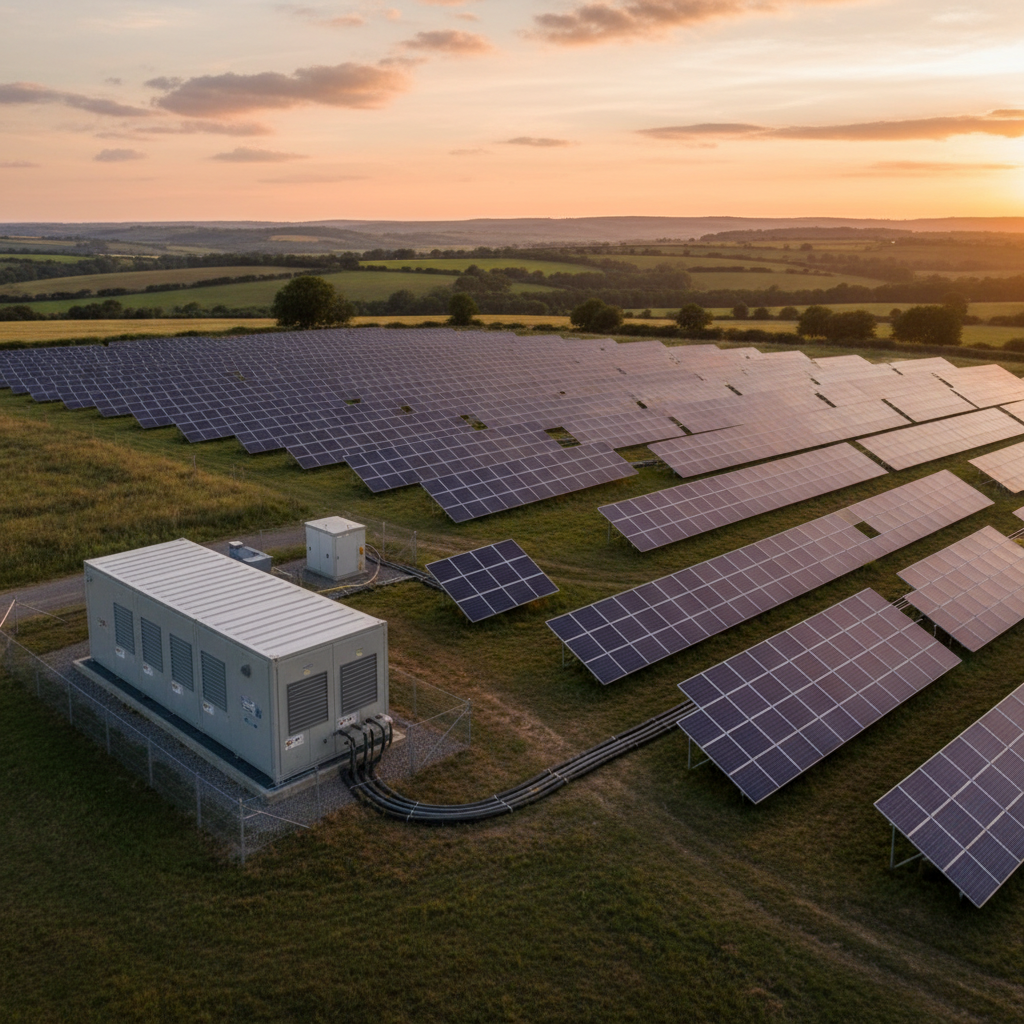
The UK's solar industry is exploring advanced optimisation strategies, drawing lessons from battery energy storage, alongside experiencing market expansion and addressing emerging demands.
UK Solar Sector Advances with BESS Optimisation and Market Expansion
The United Kingdom's solar energy sector is demonstrating a dynamic evolution, focusing on operational efficiencies, market expansion, and addressing new energy demands. Key themes emerging include the adoption of sophisticated optimisation strategies, the entry of new manufacturers, and the role of solar in powering emerging technologies like data centres, according to recent insights from solarpowerportal.co.uk.
Learning from Battery Storage Operators
One significant trend highlighted is the call for the UK's solar market to emulate the operational models successfully deployed by battery energy storage system (BESS) operators. The BESS sector has demonstrated the potential for maximising revenues through dynamic asset operation, leveraging real-time market data, advanced forecasting, and automated optimisation techniques. This approach, if adopted by solar asset owners, could unlock greater financial returns and enhance grid stability by allowing solar assets to respond more flexibly to market signals. Integrating such sophisticated operational intelligence could transform how solar farms participate in energy markets, moving beyond simple generation to more active grid support.
Market Expansion and New Demands
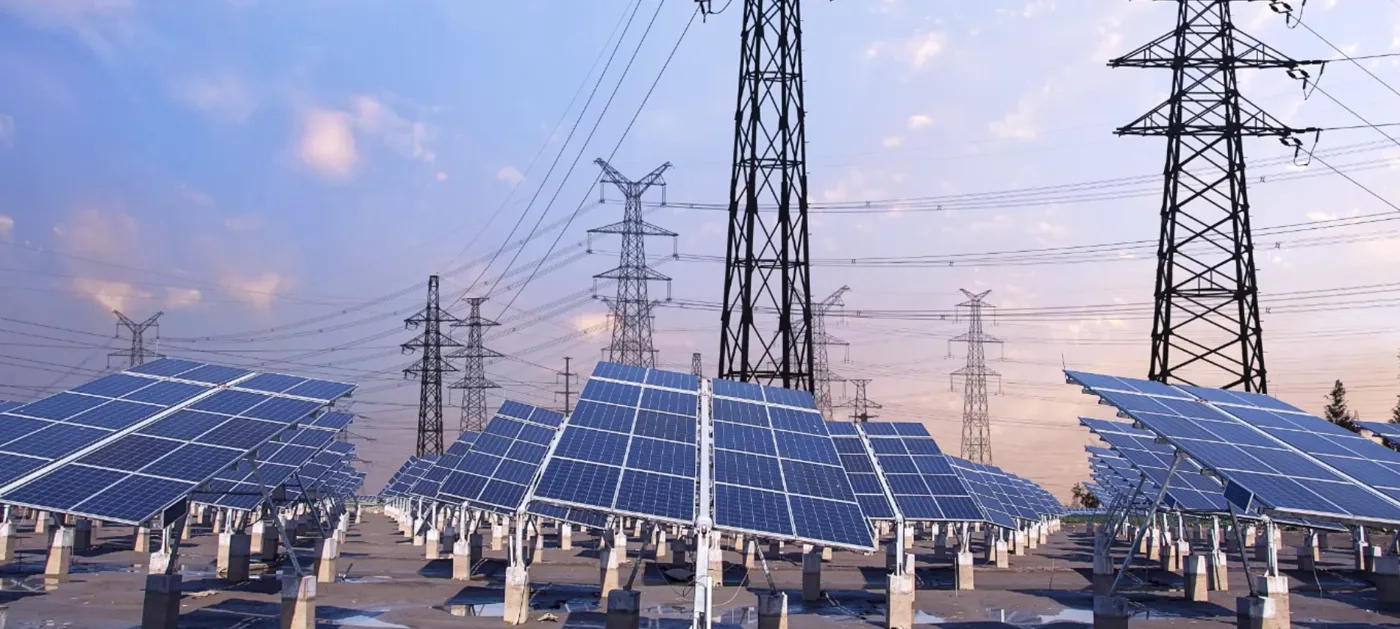
The UK solar market continues to attract international interest, with European manufacturer SoliTek entering the UK market through a new distribution partnership. This expansion signifies confidence in the UK's solar growth trajectory, particularly in the residential sector. Furthermore, the increasing demand for energy from burgeoning industries, such as AI-driven data centres, presents a unique opportunity for behind-the-meter solar installations. As data centres require substantial and reliable power, integrating solar PV can offer a sustainable and potentially cost-effective solution, reducing reliance on the main grid and contributing to corporate sustainability goals. The UK's Future Homes Standard is also driving innovation, with companies like Solfit launching newbuild products to meet upcoming energy efficiency regulations.
Responding to Market Volatility
The broader energy landscape, marked by global gas market volatility, has further underscored the importance and appeal of solar energy. This volatility has contributed to a surge in UK solar adoption, as consumers and businesses seek more stable and affordable energy sources. The economic benefits, coupled with environmental incentives, continue to position solar as a cornerstone of the UK's energy transition. The increasing competition and innovation within the sector suggest a maturing market capable of adapting to various economic and regulatory pressures, paving the way for continued growth and diversification in renewable energy deployment across the nation.
What this means for asset owners and insurers
- Enhanced Revenue Potential: Solar asset owners adopting BESS-like optimisation strategies could see increased revenue streams, but also face new operational complexities and market risks that require robust risk management and insurance solutions (e.g., business interruption, market revenue protection).
- Interconnection and Grid Integration Risks: Increased sophistication in grid interaction and combined solar-BESS projects introduces new technical and systemic risks related to control systems, cyber security, and grid stability, impacting professional indemnity and operational all-risk coverages.
- Supply Chain and Operational Resilience: The entry of new manufacturers and evolving supply chains require insurers to assess product reliability, quality control, and the potential for defects, influencing transit, construction all-risk, and operational insurances.
- Behind-the-Meter (BTM) Complexity: Growth in BTM solar for high-demand users like data centres necessitates bespoke risk assessments for fire, thermal runaway (if BESS is included), and business interruption due to power outages, requiring tailored property and liability policies.
Source: solarpowerportal.co.uk