UK Solar Sector Sees Planning Progress Amidst Grid Connection Challenges
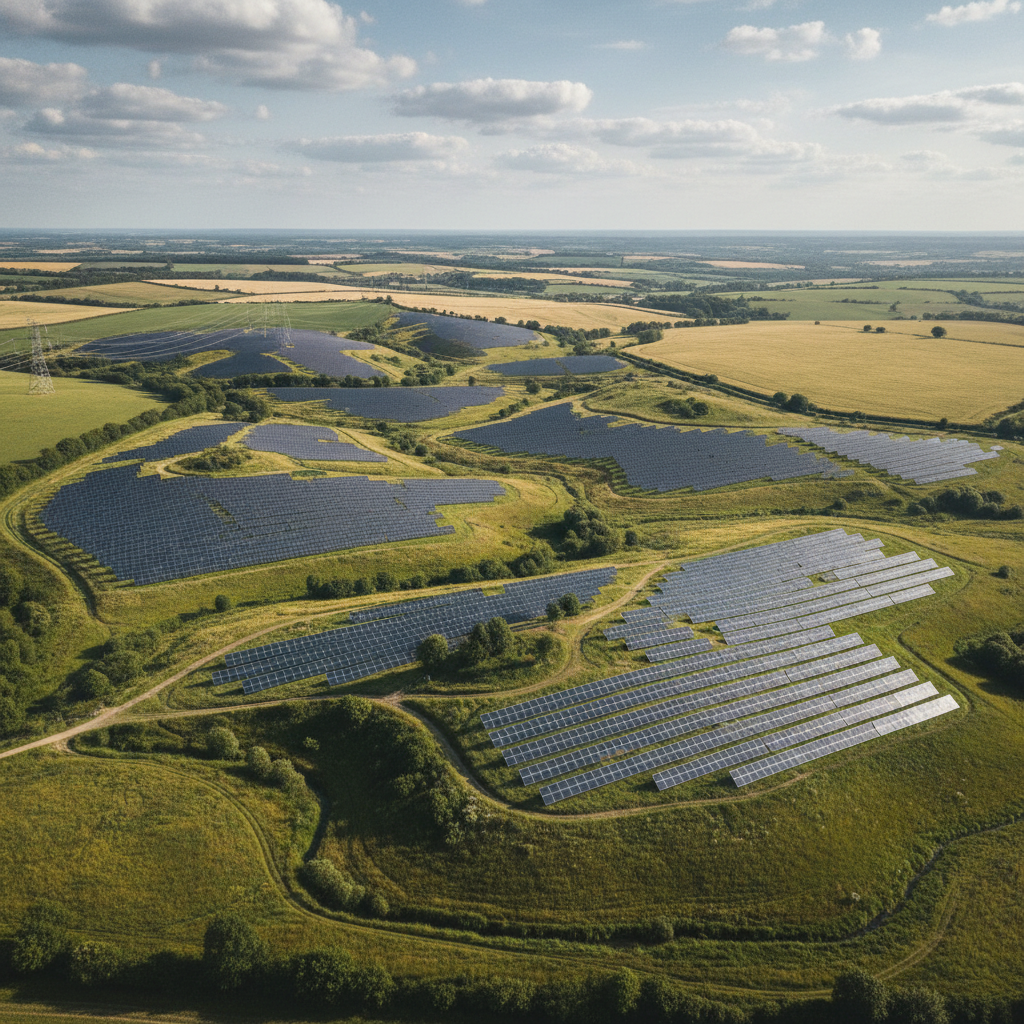
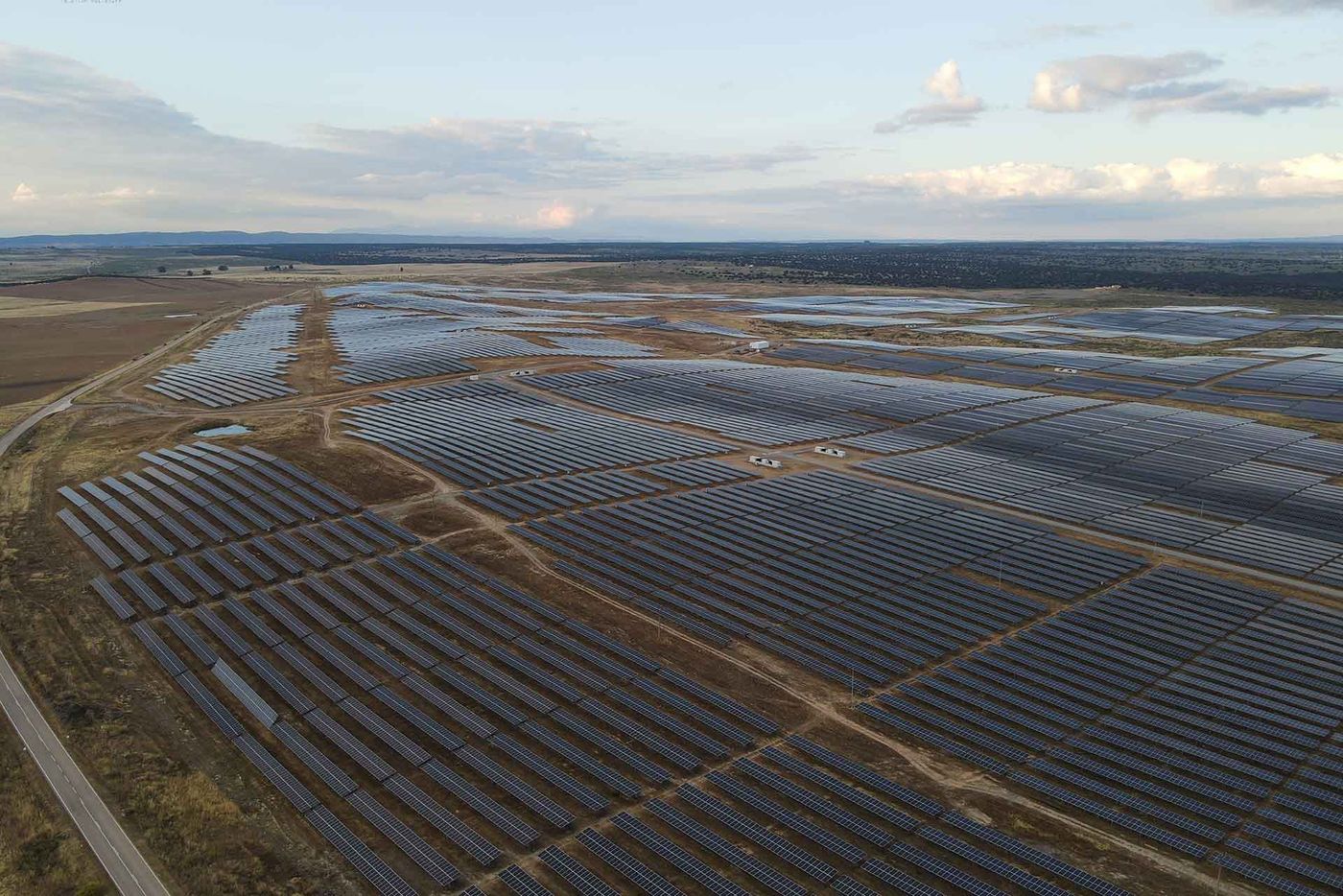
Recent developments in the UK solar energy sector highlight significant project milestones, policy advancements, and persistent grid connection hurdles.
The UK solar energy sector is experiencing a period of dynamic activity, marked by significant project developments, evolving regulatory landscapes, and ongoing challenges related to grid infrastructure. Recent announcements underscore both the industry's growth trajectory and the systemic hurdles it continues to face, particularly concerning grid connections.
Project Milestones and Policy Shifts
A notable development is the acceptance of Lime Down Solar's Development Consent Order (DCO) by the Planning Inspectorate (PINS) for a substantial 500MW solar-plus-1GWh battery storage project. This approval signals a growing trend towards integrated solar and storage solutions, crucial for grid stability and energy supply optimisation. Such large-scale hybrid projects are vital for the UK's renewable energy targets, offering both generation capacity and flexible grid support. (Source: solarpowerportal.co.uk)
In a move reflecting broader energy policy, the UK government has articulated plans to position the nation as a leader in the global clean energy jobs market. This initiative aims to foster innovation, create employment opportunities, and solidify the UK's role in the transition to a net-zero economy. These policy signals are intended to provide a supportive environment for renewable energy investment and deployment. (Source: solarpowerportal.co.uk)
Furthermore, the sector continues to demonstrate its commitment to environmental stewardship beyond energy generation. The role of solar farms in enhancing biodiversity net gains is gaining increasing recognition. Projects are often designed to integrate ecological benefits, demonstrating that large-scale solar development can coexist and even contribute positively to local ecosystems. (Source: solarpowerportal.co.uk)
Addressing Grid Bottlenecks
One of the most persistent issues facing the rapid expansion of renewable energy in the UK is the capacity and efficiency of the electricity grid. Ofgem has responded to these challenges by backing a penalty fee system for slow-moving projects in the grid connection queue. This measure aims to free up constrained grid capacity by disincentivising speculative or poorly progressed projects from monopolising connection slots, thereby accelerating the deployment of ready-to-build schemes. This regulatory intervention is a direct response to widespread industry concerns about grid congestion and delayed connections. (Source: solarpowerportal.co.uk)
Despite these efforts, developers continue to express frustration over what has been described as 'transmission chaos,' with grid connection offers being pushed back. This situation creates significant uncertainty for project timelines and financial planning, impacting investment decisions across the sector. The efficient and timely upgrade of grid infrastructure remains a critical bottleneck that, if not adequately addressed, could impede the UK's ambitious renewable energy targets. (Source: solarpowerportal.co.uk)
In the commercial sphere, Engie and Metlen have secured a 10-year power purchase agreement (PPA) for 235MW of solar power annually, sourced from six UK solar projects. This long-term agreement highlights the market's demand for clean energy and provides revenue certainty for renewable asset owners, facilitating further investment and operational stability. (Source: solarpowerportal.co.uk)
What this means for asset owners and insurers
- Development Risk Management: Large-scale solar-plus-storage projects introduce complex development risks. Insurers need to assess project-specific factors including battery energy storage system (BESS) technology, grid integration challenges, and planning consent conditions for Delay in Start-Up (DSU) and construction all risks (CAR) policies.
- Grid Connection Delays and Business Interruption: Persistent grid connection issues can lead to significant delays and potential revenue loss. Asset owners should review Business Interruption (BI) policies carefully for coverage relating to grid connection delays and consider specific extensions or bespoke wordings.
- Policy and Regulatory Uncertainty: Changes in policy, such as Ofgem's penalty fees for grid queue projects, introduce new operational and financial risks. Asset owners must ensure their risk management strategies and insurance policies are flexible enough to respond to evolving regulatory landscapes.
- Enhanced Biodiversity Requirements: The focus on biodiversity net gains means solar projects often incorporate ecological features. This can impact site design, construction methods, and operational maintenance, requiring insurers to understand these complexities in their underwriting of property damage and liability risks.
Source: solarpowerportal.co.uk