UK Solar Secures Nearly 2GW in Latest CfD Auction Round
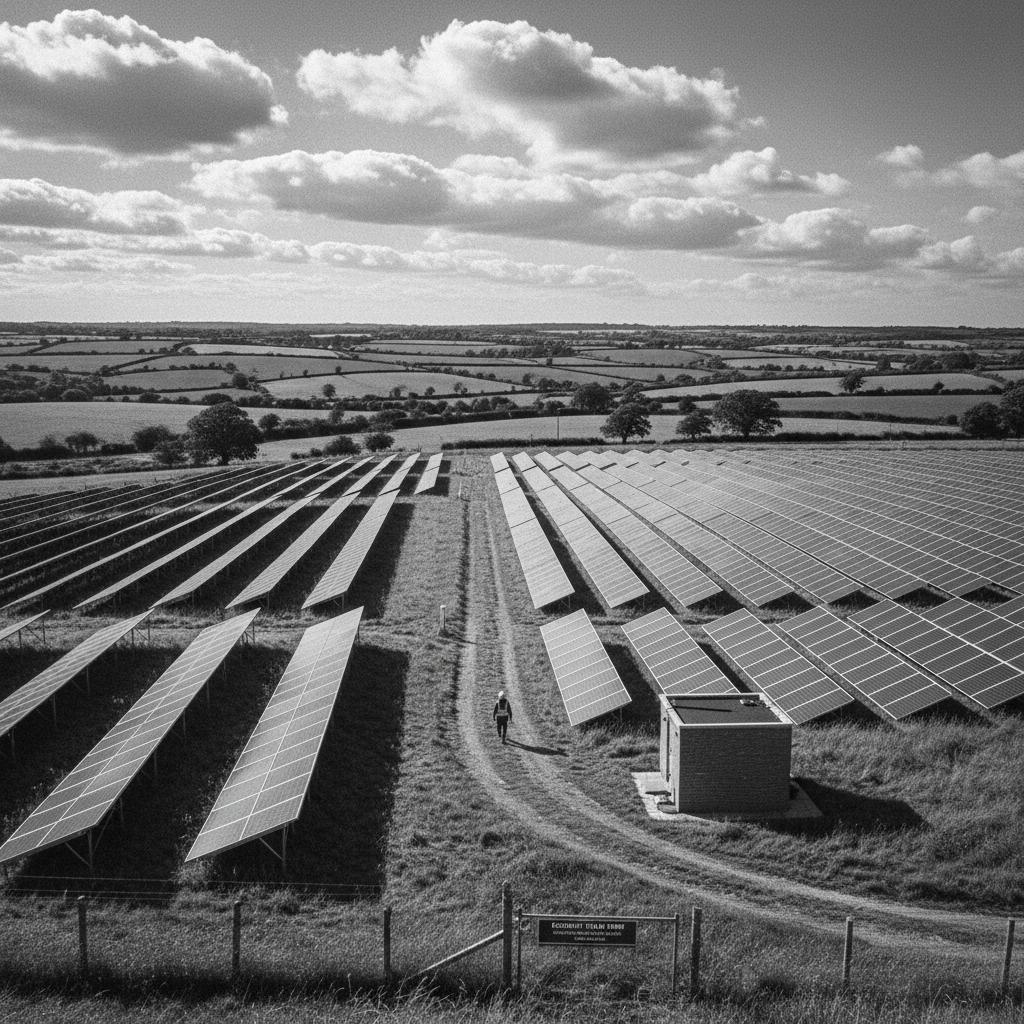
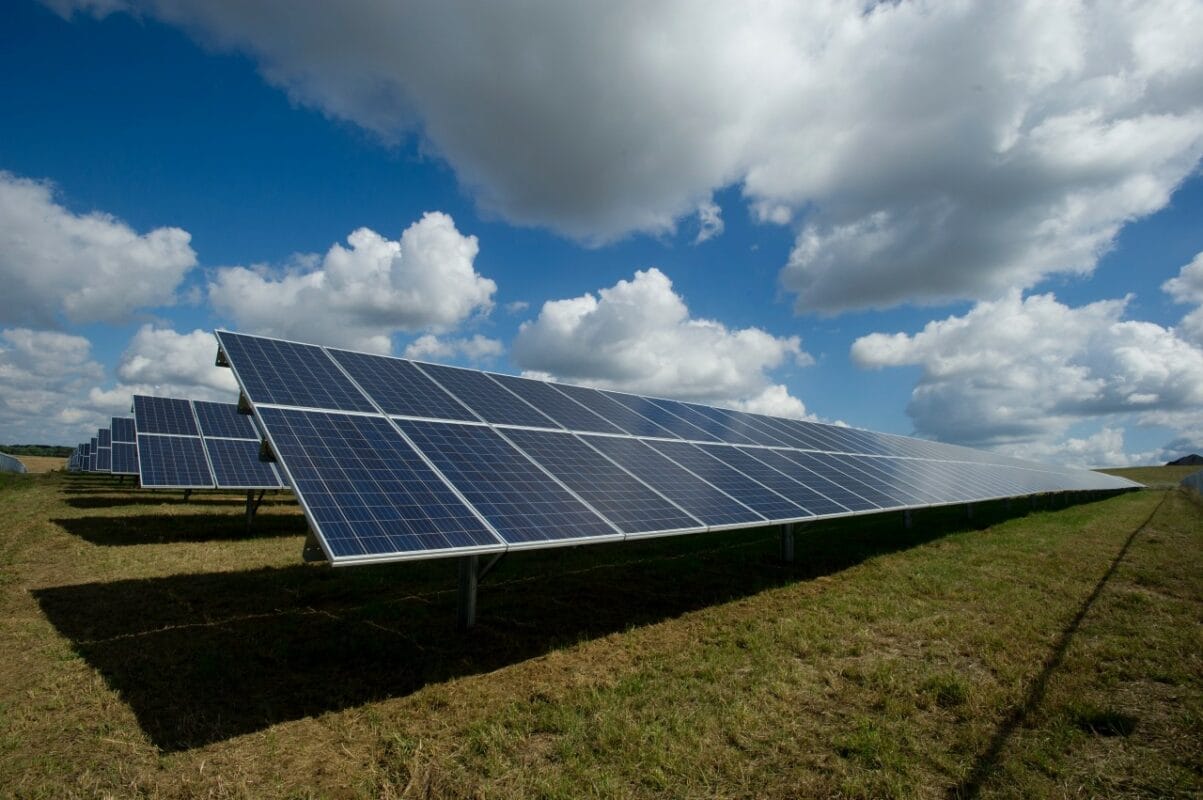
The UK's fifth Contracts for Difference (CfD) allocation round has awarded support to 56 ground-mounted solar projects, adding almost 2GW to the nation's renewable capacity.
The UK's drive towards its renewable energy targets has received a substantial boost with the results of the fifth Contracts for Difference (CfD) allocation round (AR5). A total of 56 ground-mounted solar projects secured backing in the latest auction, contributing nearly 2GW of new capacity to the national grid. This marks a significant step forward, though it falls slightly short of the previous AR4 round's solar capacity, according to an analysis by Solar Power Portal.
Advancing UK Solar Targets
The government's figures, released in September, confirm that AR5 will add 1,928MW of solar capacity. This increment is crucial as the UK aims to reach 70GW of solar capacity by 2035. With current national capacity, including rooftop and ground-mounted installations, estimated by Solar Media to hit 17.6GW by the end of the year, achieving the 2035 target necessitates deploying approximately 4GW annually. This implies a need for further acceleration in deployment rates.
Notably, AR5 was the first CfD round to be conducted annually, rather than biennially, indicating a governmental push to expedite renewable energy development. This comes ahead of the government-industry Solar Taskforce's roadmap, expected in February, which will detail strategies to meet the 70GW target and address challenges such as grid access and workforce availability.
The 56 winning projects have varied commissioning timelines: 13 projects (394MW) are slated for 2025/26, four projects (151MW) for 2026/27, and the largest portion, 39 projects (1,383MW), for the 2027/28 financial year.
Financial Dynamics and Project Scale
The agreed strike price for solar projects in AR5 was £47/MWh. When adjusted for inflation to today's money (using 2012 prices as the baseline), this equates to approximately £64.60/MWh. While this represents a substantial increase from the initial £79.23/MWh (equivalent to £108.88/MWh today) agreed in the CfD scheme's inception in 2015, it remains considerably below current wholesale electricity prices. This disparity means the 56 solar sites are projected to generate significant returns for the Treasury, while simultaneously providing project developers with the financial certainty needed for investment.
The winning projects range in size from 7MW to 57MW. An interesting ambiguity arises concerning a 57MW project from Enso Green Holdings, which appears to be the only one exceeding the 50MW threshold typically designating a Nationally Significant Infrastructure Project (NSIP). NSIPs fall under central government planning authority rather than local councils, and building a project so close to this threshold can entail additional costs and complexities, making its precise categorisation and rationale an area of ongoing scrutiny within the sector.
What this means for asset owners and insurers
- Increased Project Pipeline: The substantial volume of awarded solar capacity signifies a robust pipeline for new project development and construction in the UK, creating opportunities for construction all-risks and operational insurance.
- Stable Revenue Streams: The CfD mechanism offers solar asset owners long-term, fixed-price contracts, reducing revenue volatility and making projects more attractive for investment and debt financing. This stability can influence business interruption insurance needs.
- Inflationary Pressures: While the CfD strike price offers certainty, the actual value is subject to inflationary adjustments. Asset owners and insurers need to factor in rising costs of materials, labour, and components for construction and repair when assessing sums insured and potential losses.
- Supply Chain and Grid Connection Risks: The article highlights challenges like grid access and skilled labour. Delays due to these factors can impact project completion timelines, leading to potential Delay in Start Up (DSU) claims and requiring careful risk management during the development phase.
Source: solarpowerportal.co.uk