UK Solar Sees 1.9GW Boost from Fifth Contracts for Difference Round
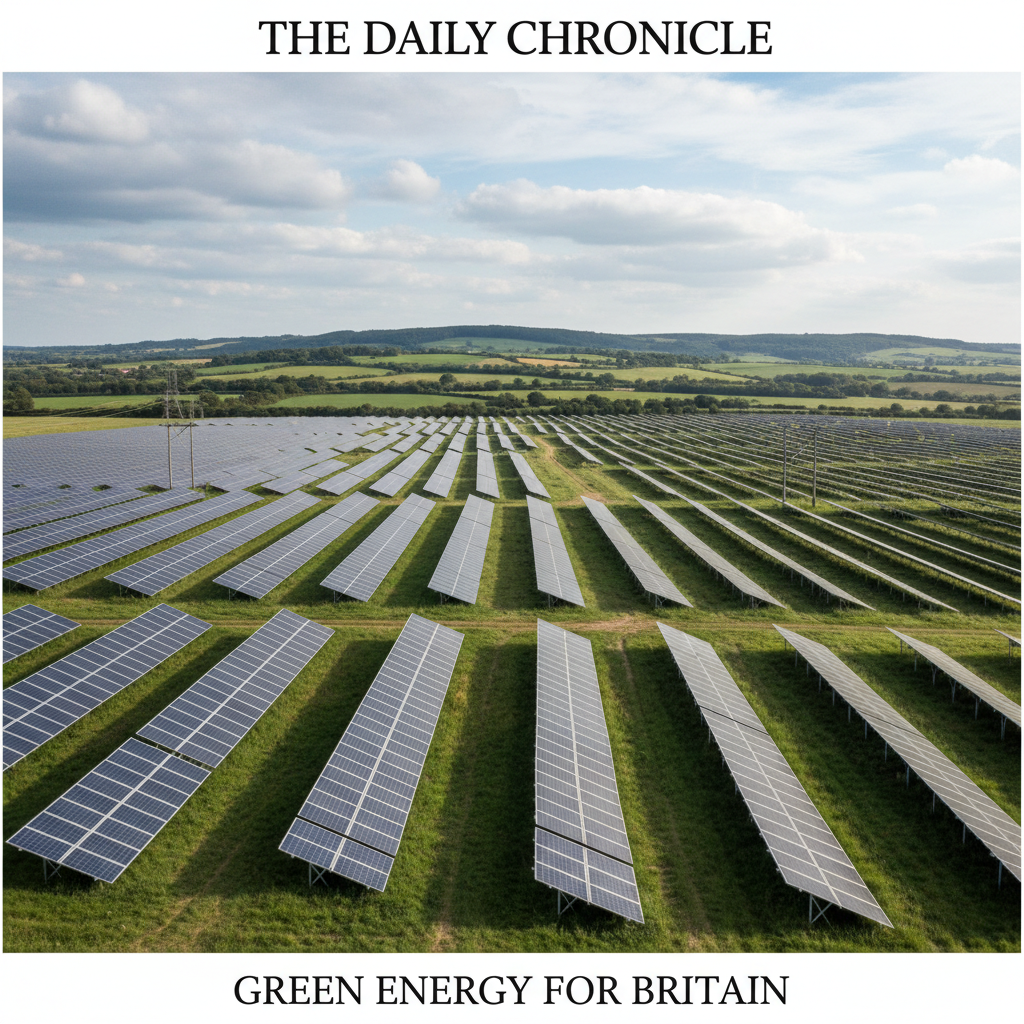
The latest Contracts for Difference (CfD) allocation round has awarded almost 2GW of new solar capacity across 56 ground-mounted projects in the UK, pushing towards ambitious national targets.
UK Solar Sector Advances with Significant CfD Allocation
London, UK – The UK's renewable energy landscape has seen a substantial boost with the fifth Contracts for Difference (CfD) allocation round (AR5), which secured almost 2GW of new solar capacity. A total of 56 ground-mounted solar projects received backing under the scheme, as detailed by Solar Power Portal (solarpowerportal.co.uk).
The government's figures, released on 8 September, reveal that AR5 allocated 1,928MW of solar capacity. This addition is a notable step towards the government's ambitious target of 70GW of national solar capacity by 2035. Achieving this goal will require an annual deployment of approximately 4GW, necessitating further acceleration in both rooftop and ground-mounted installations. This push for speed is reflected in AR5 being the first annual CfD round, a shift from the previous biennial schedule.
The Department for Energy Security and Net Zero (DESNZ) is actively driving this expansion, anticipating a roadmap from the government-industry Solar Taskforce in February. This roadmap is expected to outline strategies for meeting the 70GW target and addressing key challenges such as grid access and the availability of skilled labour.
Project Timelines and Financials
The 56 successful projects are staggered for commissioning, with 13 projects (394MW) expected online in 2025/26, four projects (151MW) in 2026/27, and the majority, 39 projects (1,383MW), scheduled for the 2027/28 financial year. While the total capacity awarded in AR5 is slightly lower than AR4, which saw over 2.2GW across 66 projects, it still represents a significant investment in the UK's solar future.
A key financial aspect of AR5 was the agreed strike price of £47/MWh. This matches the maximum bid price set by the government. When adjusted for inflation to today's money, accounting for the Consumer Price Index, this strike price equates to approximately £64.60/MWh. This figure is considerably lower than the £79.23/MWh (equivalent to about £108.88/MWh today) agreed in the CfD regime's inaugural round in 2015.
Notably, the current strike price of £64.60/MWh is substantially less than what these projects would command on a merchant basis, assuming persistent current wholesale electricity prices. This disparity implies that the 56 successful solar sites are anticipated to generate significant revenue for the Treasury. In return, project developers gain financial security, fostering confidence for further investment and development within the sector.
Project Specifics and Ambiguity
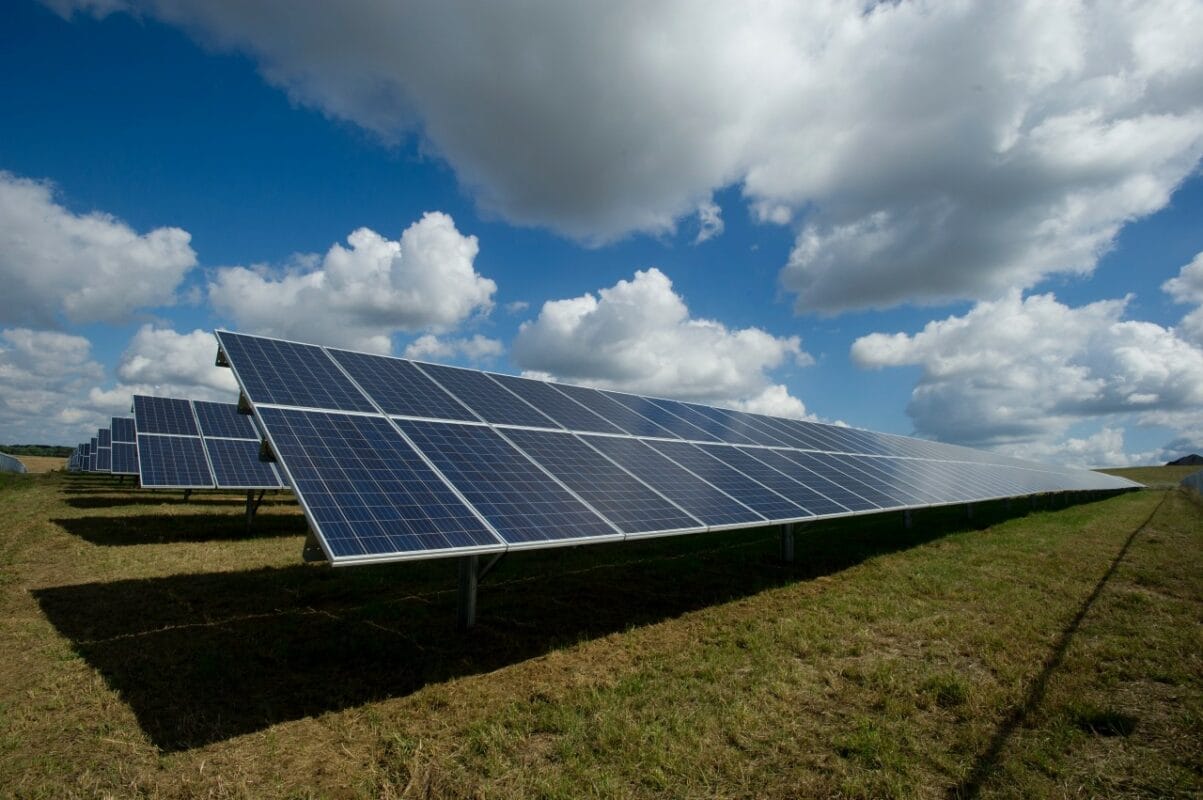
The capacities of the winning solar projects range from 7MW to 57MW. However, Solar Power Portal highlights an apparent ambiguity regarding these reported figures. One unnamed project from Enso Green Holdings, listed at 57MW, appears to be the only one exceeding the 50MW threshold for designation as a Nationally Significant Infrastructure Project (NSIP), which falls under government rather than local authority review. Other large projects are listed at or just below 50MW.
The article notes that known NSIPs in the development pipeline do not align with this particular project. Furthermore, building an installation so close to the 50MW NSIP threshold, given the additional complexities and costs associated with such designations, would typically be an unlikely strategic choice for developers. This suggests potential nuances or further clarifications needed regarding the capacity reporting for these large-scale solar developments.
What this means for asset owners and insurers
- Increased Project Pipeline: The substantial award of 1.9GW to solar projects signifies a robust pipeline for new construction and operational assets, leading to increased demand for Construction All Risks (CAR) and Operational All Risks (OAR) insurance, along with Business Interruption (BI) and Delay in Start-up (DSU) cover.
- Lower Revenue Volatility for CfD Projects: The fixed strike price through CfDs provides revenue certainty for asset owners, potentially reducing market-related financial risks, which can be viewed positively by insurers when assessing risk profiles for long-term operational policies.
- Focus on Project Delivery: With project commissioning dates set for 2025-2028, asset owners must focus on timely and safe construction, managing risks such as supply chain disruptions, weather-related delays, and grid connection issues, all of which impact DSU and CAR insurance.
- Ambiguity in Large Project Capacity: The reported ambiguity around large project capacities (e.g., the 57MW Enso Green Holdings project) may require asset owners to clarify specific project classifications (e.g., NSIP vs. non-NSIP) during due diligence and insurance placement, as this can influence regulatory compliance and potential liabilities (e.g., Public Liability).
Source: solarpowerportal.co.uk