Vattenfall Proposes Two New Onshore Wind Farms for East Anglia
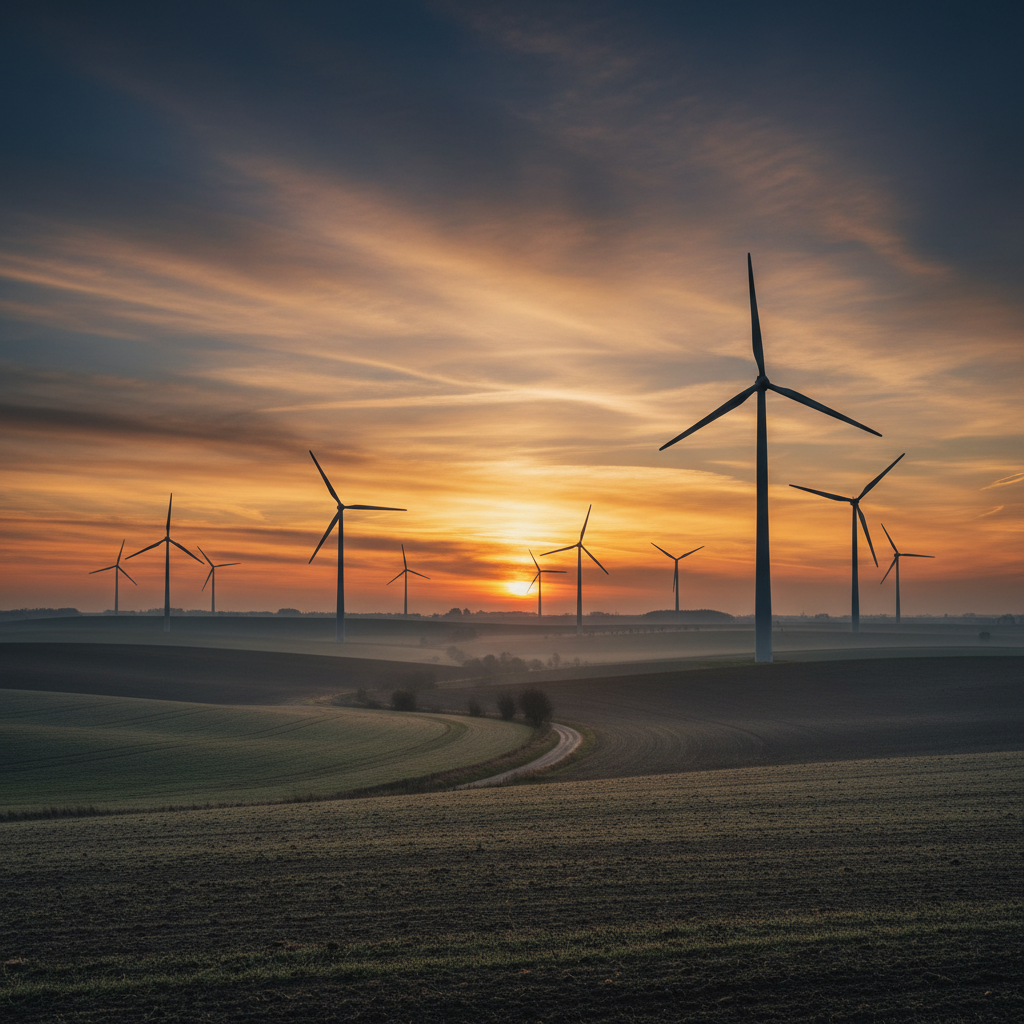
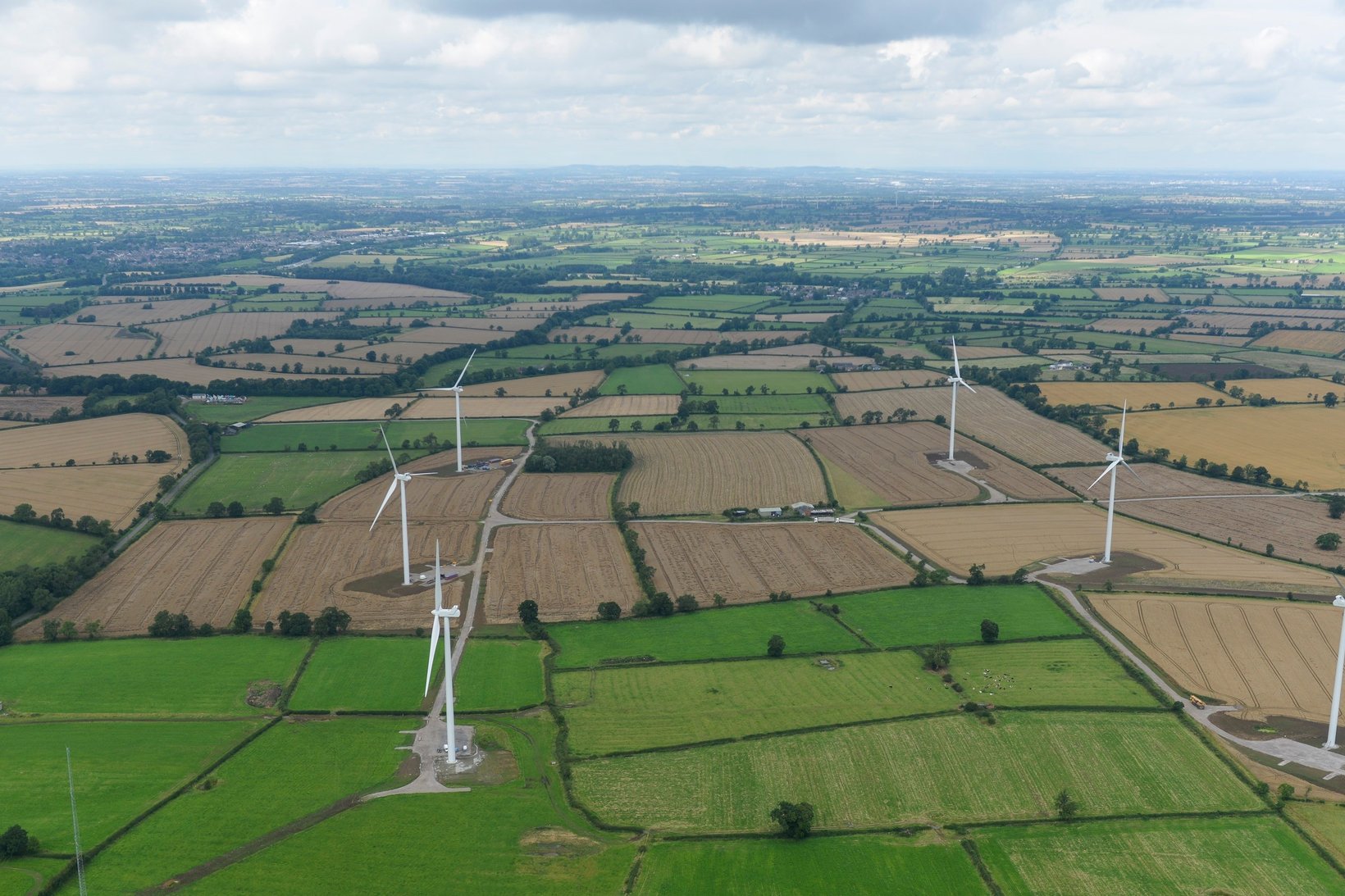
Vattenfall has unveiled plans for Chatteris and Redmere Wind Farms in East Anglia, with a combined potential capacity of 425 MW, capable of powering over 321,000 homes annually.
Vattenfall, a prominent energy developer, has announced its intentions to construct two new onshore wind farms in East Anglia. The proposed developments, named Chatteris Wind Farm and Redmere Wind Farm, are envisioned to contribute significantly to the UK's renewable energy capacity, collectively generating up to 425 MW.
The Chatteris Wind Farm, located south of Chatteris, could reach a capacity of 126 MW, while the Redmere Wind Farm, situated near Shippea Hill, has the potential for 303 MW. If realised, these two projects could collectively produce enough electricity to power approximately 321,369 homes each year, according to Vattenfall (group.vattenfall.com).
Community Engagement and Environmental Commitments
Early-stage community engagement is a key component of Vattenfall's development strategy for these projects. Local residents living within 3km of the proposed sites are being invited to participate in drop-in sessions throughout October, offering an opportunity to meet the project team and discuss initial plans. Further public consultations are anticipated in 2027, when more detailed design information, including visualisations, will be made available.
Robin Stewart, Project Manager at Vattenfall, emphasised the importance of generating more domestic power for the UK, highlighting that Chatteris and Redmere could play a vital role in the nation's energy future. He noted that beyond energy production, the projects are expected to generate local employment, stimulate the regional economy through business rates, and provide community benefit funding (group.vattenfall.com).
Environmental considerations are also central to the proposals. Vattenfall has committed to delivering at least a 10% biodiversity net gain over the lifetime of the wind farms, aligning with statutory requirements. The specifics of how this will be achieved will be developed following comprehensive environmental studies.
Project Scale and Future Prospects
The combined capacity of up to 425 MW underscores the substantial scale of these proposed developments. With up to 47 turbines planned across both sites, they represent a significant investment in onshore wind infrastructure in a region crucial for agricultural and ecological diversity. The projects will undergo separate planning applications, although Vattenfall is presenting them together due to potential overlapping community interest.
The initiative comes at a time when the UK is striving to meet ambitious net-zero targets and enhance its energy security. Onshore wind remains one of the most cost-effective forms of renewable energy generation, and proposals such as Vattenfall's are vital for expanding the national grid's green energy portfolio. The successful development of these wind farms would mark a considerable step forward in decarbonising the East Anglian energy landscape.
What this means for asset owners and insurers
- Construction All Risks (CAR) / Erection All Risks (EAR): New projects mean significant exposure during construction, covering physical damage, natural perils, and potential delays, highlighting the need for robust CAR/EAR policies with Delay in Start-Up (DSU) or Advanced Loss of Profits (ALOP) provisions.
- Operational Risks: Once operational, these wind farms will require comprehensive insurance covering property damage (PD) from events like turbine failure, lightning, or severe weather, and business interruption (BI) due to outages.
- Third-Party Liability (TPL): Given the scale and proximity to communities, TPL insurance will be critical to cover potential claims for noise, visual impact, or other disturbances to local residents and businesses during both construction and operation.
- Environmental Liability: The commitment to biodiversity net gain implies ongoing environmental management; insurers will need to consider associated environmental liability and compliance risks throughout the project lifecycle.
Source: group.vattenfall.com